Source breathable knitted baby grip socks for daily wear, travel, and play
Compare 30 listings of breathable knitted baby grip socks featuring cotton materials, anti-slip bottoms, and various styles like ankle and knee. Buyers can evaluate options for babies, children, and unisex needs with seasonal suitability for spring, autumn, summer, and winter.
Key considerations
Products List


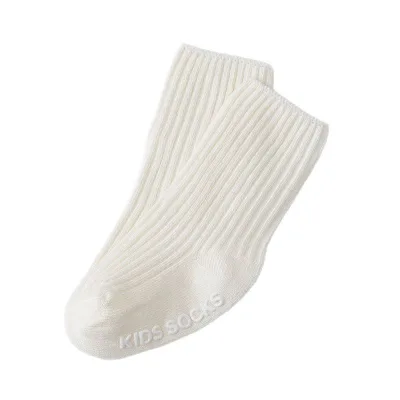
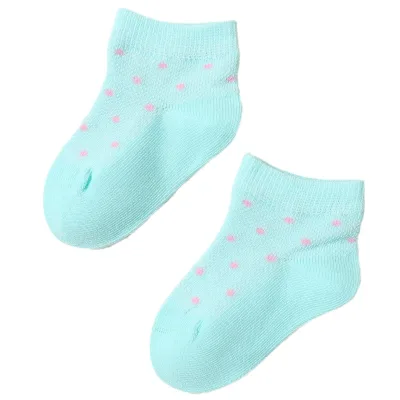
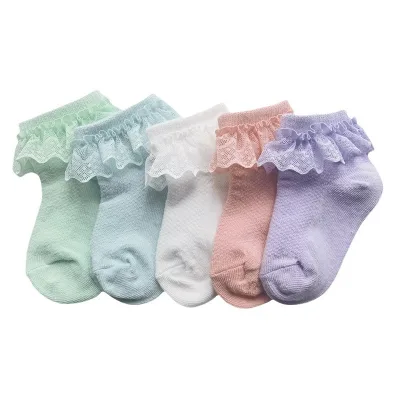


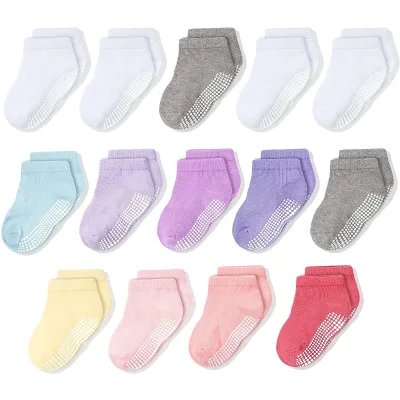


Comprehensive Sourcing Guide
Breathable Knitted Baby Grip Socks Sourcing Guide
Buyers seeking breathable knitted baby grip socks must first distinguish between seasonal requirements, as observed listings indicate specific models designed for summer and others for winter. The supply data reveals a clear split where some products feature breathable and anti-slip properties suitable for warmer months, while others are explicitly tagged for winter use with thickening specifications. This distinction is critical because a single supplier may offer both, but the material weight and breathability ratings will vary significantly between the two categories. Procurement teams should verify the intended season of the specific batch before finalizing orders to ensure the socks provide the necessary thermal regulation for the target demographic.
The observed product range includes distinct styles such as ankle, knee, and stocking lengths, each serving different developmental stages for babies and young children. While some listings highlight high elasticity and low height profiles, others specify middle height or full stocking coverage, requiring buyers to align their selection with the specific mobility needs of the end-user. The presence of gender-specific designs for baby boys and girls, alongside unisex options, suggests that customization is a viable path for brands seeking targeted marketing. Buyers should prioritize suppliers who can demonstrate flexibility in style and gender suitability to accommodate diverse inventory strategies without compromising on the core grip and breathability features.
Product Scope and Observed Listing Signals
The market for breathable knitted baby grip socks presents a wide array of patterns, including animal motifs and jacquard technology, which serve as key visual differentiators for parents and retailers. Listings confirm that customization is available, allowing buyers to request designs based on specific artwork or samples, which is essential for private label development. However, the observed data also shows that some standard models come with pre-defined patterns like Christmas themes, indicating that off-the-shelf options exist for immediate market entry. Buyers must carefully review the pattern specifications to ensure they match their brand identity, as the visual appeal often drives the initial purchase decision in this category.
Material composition is another critical signal, with cotton identified as the primary fabric for the majority of observed products, ensuring softness and skin safety for infants. The supply chain data indicates that while most items are made of cotton, the thickness varies from normal to thickening, directly impacting the sock's suitability for different climates. Additionally, the presence of features like deodorization and anti-bacterial properties in some listings suggests that advanced functional treatments are available for premium segments. Buyers should verify the exact material blend and treatment claims for each SKU, as these attributes directly influence the product's comfort, durability, and perceived value in the marketplace.
Technical Specifications to Verify
Thickness and elasticity are the primary technical parameters that determine the functional performance of baby grip socks in real-world conditions. The observed listings show a clear divergence between normal thickness options and thickening variants, which must be matched to the intended season of use. High elasticity is a common attribute across the range, ensuring a secure fit that accommodates growing feet without constriction, but buyers should request physical samples to confirm the stretch recovery rate. Verifying the elasticity ensures the socks will not slip off during active movement, which is a primary safety concern for parents of crawling or walking infants.
Size and fit specifications vary significantly, ranging from free size options to specific measurements like size S or custom dimensions from 10cm to 28cm. The data indicates that some models are designed for babies while others target children, necessitating a precise understanding of the target age group before ordering. Buyers must confirm the exact size chart provided by the supplier, as the "free size" designation may not apply uniformly across all styles or thicknesses. Additionally, the weight of individual pairs, such as the 15g observation, serves as a proxy for material density and should be cross-referenced with the thickness specification to ensure consistency in the final product.
Compliance and Safety Documentation
Safety features are paramount in the baby sock category, with non-slip bottoms and anti-slip properties being the most frequently cited attributes in the observed data. These features are essential for preventing falls and ensuring stability as infants begin to stand or walk, making them a non-negotiable requirement for any compliant product. Buyers should explicitly request test reports that validate the grip performance on various floor surfaces, as the effectiveness of the non-slip coating can vary based on the manufacturing process. The presence of anti-slip technology should be verified through physical inspection of the sole pattern and material composition to ensure it meets safety expectations.
While specific certifications like GOTS or Oeko-Tex are mentioned in background contexts, the supplied facts do not confirm their universal application across all listed products. Instead, buyers must treat these certifications as verification targets rather than assumed attributes, requesting current documentation for each specific batch or model. The data indicates that some products are labeled as high quality or eco-friendly, but these claims require substantiation through third-party testing or supplier declarations. Procurement teams should establish a clear protocol for auditing safety documentation, ensuring that every pair of socks meets the relevant safety standards for the target market before shipment.
Cost Drivers and Commercial Terms
Pricing in the breathable knitted baby grip sock market is influenced by material costs, customization levels, and order volume, with observed prices ranging from 0.16 to 20 USD per unit. The wide price variance suggests that factors such as the complexity of the pattern, the inclusion of advanced features like anti-bacterial treatments, and the thickness of the material significantly impact the final cost. Buyers should analyze the cost structure of different SKUs to understand the premium associated with specific features, ensuring that their budget aligns with the desired quality and functionality. Understanding these drivers helps in negotiating effectively and selecting the most cost-effective options that still meet safety and performance standards.
Minimum Order Quantities (MOQ) and packaging requirements are critical commercial terms that affect inventory planning and cash flow for buyers. The observed MOQ range spans from 50 to 2000 units, offering flexibility for small startups while accommodating larger volume orders for established brands. Packaging varies from individual OPP bags to bulk export cartons containing 120 pairs or 350 pairs, which influences storage and logistics costs. Buyers must align their order quantities with their MOQ constraints and packaging preferences to optimize shipping efficiency and minimize waste, ensuring that the commercial terms support their overall supply chain strategy.
Supplier Qualification and Quality Control
Supplier qualification in this sector requires a rigorous assessment of production capabilities, particularly regarding customization and design flexibility. The data confirms that many suppliers offer OEM services and can produce designs according to customer artwork or samples, which is vital for brands seeking unique product differentiation. Buyers should verify the supplier's ability to maintain consistency in pattern printing and jacquard technology, as these processes can introduce variability if not tightly controlled. Establishing a clear communication channel for design approvals and sample iterations is essential to ensure the final product matches the initial vision and meets quality expectations.
Quality control protocols must be robust, focusing on the consistency of the non-slip bottom and the durability of the cotton material. The observed listings highlight features like breathability and anti-slip properties, but these must be verified through regular quality checks during production and pre-shipment inspections. Buyers should implement a sampling plan that tests for elasticity, thickness, and grip performance to catch any deviations early in the manufacturing process. Additionally, verifying the supplier's origin, such as Yiwu, Zhejiang, can provide insights into their logistical capabilities and experience in exporting baby products, further validating their reliability as a long-term partner.
Long-Term Procurement Checks
Sustaining a successful procurement relationship for breathable knitted baby grip socks requires ongoing monitoring of product consistency and market responsiveness. Buyers should regularly review the performance of current suppliers against the observed specifications, ensuring that the seasonal adaptations and material qualities remain stable over time. The ability of a supplier to adapt to changing trends, such as new patterns or updated safety standards, is a key indicator of their long-term viability. Establishing a feedback loop with the supplier allows for continuous improvement and ensures that the product line remains competitive and aligned with consumer expectations.
Inventory management and supply chain resilience are critical for maintaining a steady flow of breathable knitted baby grip socks in the market. Buyers should assess the supplier's lead times and capacity to handle fluctuations in demand, particularly during peak seasons like winter or holiday periods. The observed data shows a variety of packing and shipping options, which should be leveraged to optimize inventory levels and reduce storage costs. By maintaining a diversified supplier base and regularly auditing performance metrics, buyers can mitigate risks and ensure a reliable supply of high-quality baby socks that meet safety and comfort standards.
FAQs
How does the anti-slip feature work on these breathable knitted baby grip socks?
The anti-slip feature uses a non-slip bottom, typically grip dots applied to the sole, which helps babies keep traction on smooth floors while crawling or learning to walk. The knitted cotton construction stays breathable during movement. Grip coverage is applied during manufacturing, so buyers should confirm sole pattern and placement when submitting artwork or samples for customization.
What materials are used in breathable knitted baby grip socks?
These socks are made from cotton, which offers breathability and softness suitable for babies and children. Cotton is combined with knitted construction to provide high elasticity so the cuff holds without tightness. Buyers needing specific fiber blends, organic content, or additional features like anti-bacterial or deodorization finishes should state requirements during customization discussions.
Which sizes are available for breathable knitted baby grip socks?
Sizes vary by model: some listings offer free size or size S, while one children's series covers sizes from 10cm to 28cm, and others come in free size suitable for spring and autumn wear. Since babies and children vary widely, buyers should confirm the size chart per model and can supply their own size specifications when ordering customized production runs.
Can the grip socks be customized with my own design?
Yes, customization is available and designs can follow your artwork or samples. Jacquard technology is used for patterns, including animal patterns, and OEM service is offered. Buyers typically provide artwork, choose color such as blue, height like knee or ankle, and packaging such as OPP bag, then confirm samples before mass production begins.
What packaging options are used for these baby grip socks?
Common packing includes individual pairs in OPP bags, and one children's socks listing specifies 120 pairs packed in one export carton, while another indicates 1 pair per OPP bag with 350 pairs per carton. Packing configuration affects carton size, weight, and shipping cost, so buyers should confirm the exact packing arrangement and carton quantities for their chosen model.
Which features help keep baby feet comfortable in knitted grip socks?
Breathability and anti-slip are core features, and some models add eco-friendly, deodorization, and anti-bacterial properties. Thickness varies between normal and thickening versions, with the thickening option suited to winter and lighter options for summer. High elasticity keeps socks in place, and low or middle heights suit different footwear and seasonal needs for babies and children.
How do I choose between ankle, knee, and stocking styles?
Ankle styles suit everyday wear in warmer seasons, knee styles offer more coverage for crawling babies, and stocking styles work under dresses or leggings. Height choices include low and middle options. Consider season, since thicker cotton versions suit winter while breathable lighter knits fit spring, autumn, and summer, and confirm style availability per model before ordering.